Let’s BUILD Your Next Stage OF Growth

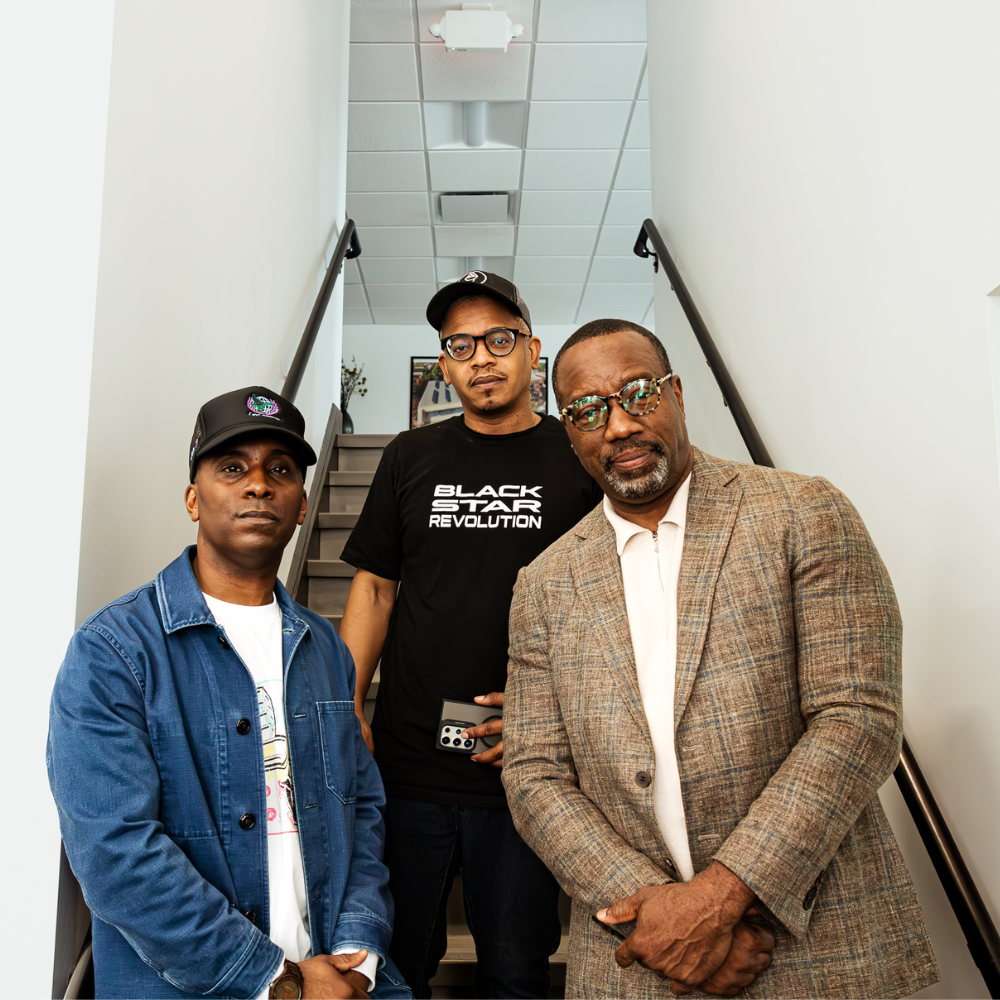
Peace. I’m Steve Royster. I help owner-operators validate, build, and fund new ventures. Through my SCRATCH™ Framework I’ve helped launch ventures from concept to market and secure millions in venture funding.
-
![]()
Brand Strategy
-
![]()
Capital Advisory
-
![]()
Business Financing



TO The Builders
You’ve already done the hard part.
You built a real business — customers, revenue, employees, and responsibility. Every week you balance payroll, growth, and risk while your customers and community ask for more.
What you need now is structure.
That’s the work I’ve dedicated years to understanding.
Over time I’ve learned that the path from idea to funded venture follows a recognizable pattern: clear signals, real advantage, a practical model, disciplined testing, and capital structured for growth.
When those elements come together, lenders and investors start to see what you already know — that your business isn’t just surviving. It’s ready to scale.
My role is simple.
To help underestimated builders turn promising ideas and growing businesses into ventures that institutions can understand, fund, and support.
Because when builders like you gain access to the right structure and capital, the impact extends far beyond a single company.
It strengthens neighborhoods.
It creates jobs.
It expands economic ownership.
Over time, it builds something larger — an economic foundation for social, civic, and political progress.
— Steve Royster
WAYS I HELP OWNER-OPERATORS FORM, GROW, AND FUND BUSINESSES
-
![]()
STRATEGY
Best For: Owner-operators at an inflection point—new initiative, expansion, or operational strain—who need clarity before committing capital.
You’ll Get: A clear, defensible strategy that aligns your business model, operations, offerings, and capital plan into one coherent system built for execution.
Why It Matters: Because growth decisions compound—and without a clear strategy, you risk scaling complexity instead of performance.
-
![]()
MARKETING
Best For: Businesses with proven demand that need stronger positioning, partnerships, and consistent customer acquisition.
You’ll Get: A cohesive marketing system—brand, messaging, content, and distribution—that builds credibility and drives qualified demand across the right audiences.
Why It Matters: Because growth accelerates when your market understands who you are, trusts what you do, and knows how to engage.
-
![]()
FINANCING
Best For: Businesses preparing to raise capital or restructure existing debt—who need to translate real operations into a lender-ready opportunity.
You’ll Get: A capital-ready narrative that clarifies use of funds, growth logic, repayment strategy, and risk profile—paired with aligned financing options and no-risk, no-fee term sheets.
Why It Matters: Because capital doesn’t flow to ideas—it flows to businesses that can clearly demonstrate how money turns into revenue and repayment.


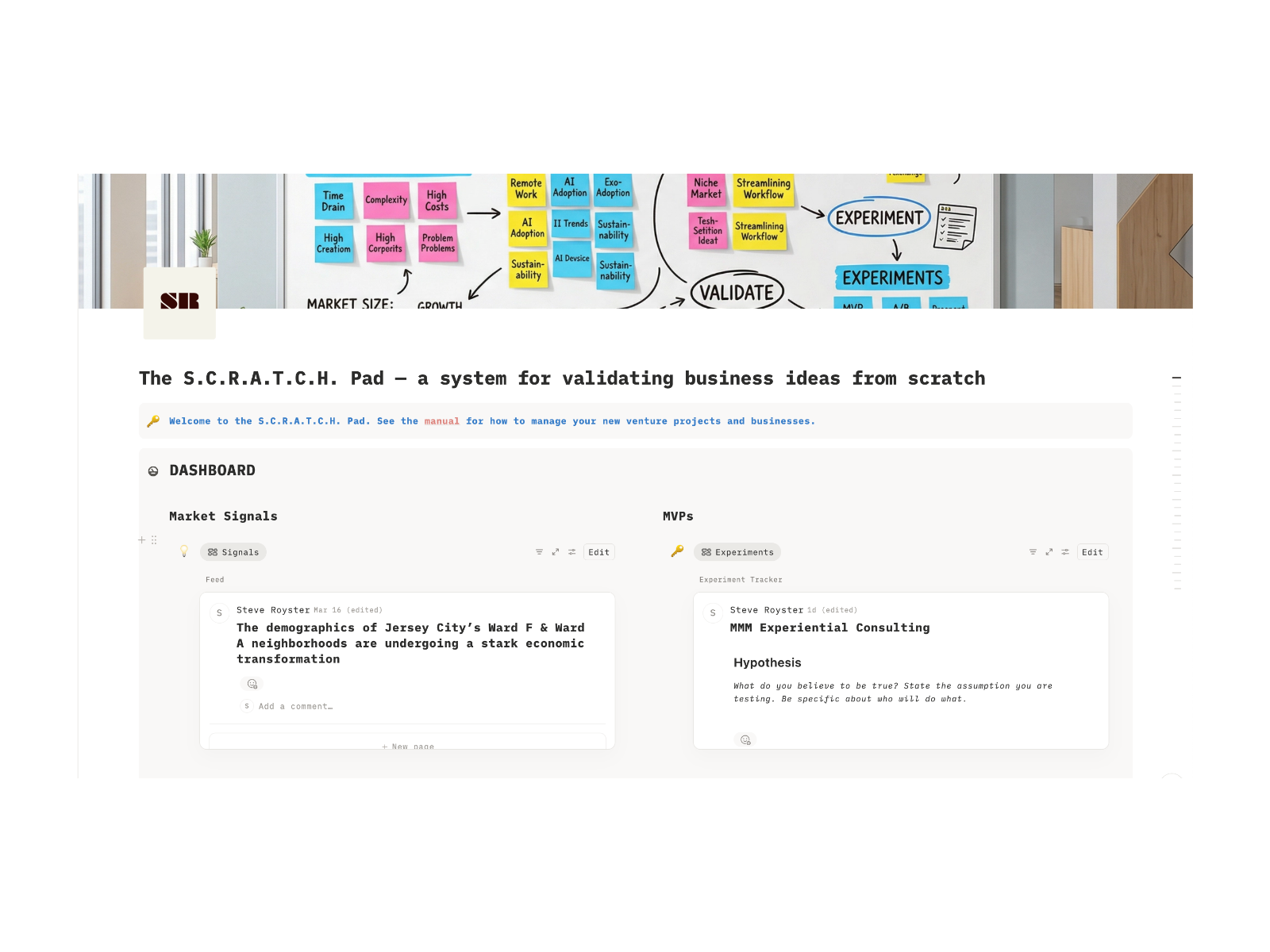
MY S.C.R.A.T.C.H™ Framework
A system for validating business ideas from scratch
-
Capture Ideas, Opportunities, and Market Signals
This is the market intelligence layer.
Signals are real-world observations that point to unmet demand—customer frustrations, inefficiencies, or emerging trends. This stage is about paying attention to what’s actually happening in the market, not brainstorming in isolation. Strong businesses begin with clear signals that something needs to be solved.
-
Define the Opportunity and How the Business Might Work
This converts signals into potential business concepts.
Concepts translate signals into a potential business by defining the customer, the problem, and a simple solution. The goal is not to perfect the idea, but to clarify how it could create value and generate revenue. A strong concept is specific enough to test, but flexible enough to evolve.
-
Launch Small Tests to Validate Revenue Potential
Experiments are designed to answer one question: will someone pay for this? Instead of building full products, this stage focuses on fast, low-cost tests that simulate real transactions. The objective is to generate evidence of demand as quickly as possible.
-
Track Outcomes and Extract Insights
Analysis turns activity into learning by examining what actually happened during experiments. This stage focuses on identifying patterns in customer behavior, revenue signals, and feedback. The goal is to produce clear insights that inform the next decision.
-
Refine Pricing, Positioning, and Structure
Tuning uses real data to improve how the business works—what’s offered, how it’s priced, and who it serves. This stage moves beyond testing into shaping a repeatable model that customers consistently respond to. The result is a clearer path to a viable business.
-
Convert Validated Experiments Into a Real Business
Commitment is the decision to move from testing to building. At this stage, the focus shifts to execution—setting revenue goals, defining operations, and launching with intent. The business is no longer an idea; it becomes an active venture.
-
Translate the Business Into Long-Term Wealth
Harvesting focuses on turning a functioning business into a durable asset. This includes generating consistent profit, building equity value, and designing pathways for long-term financial outcomes. The goal is not just to operate a business, but to create wealth from it.